
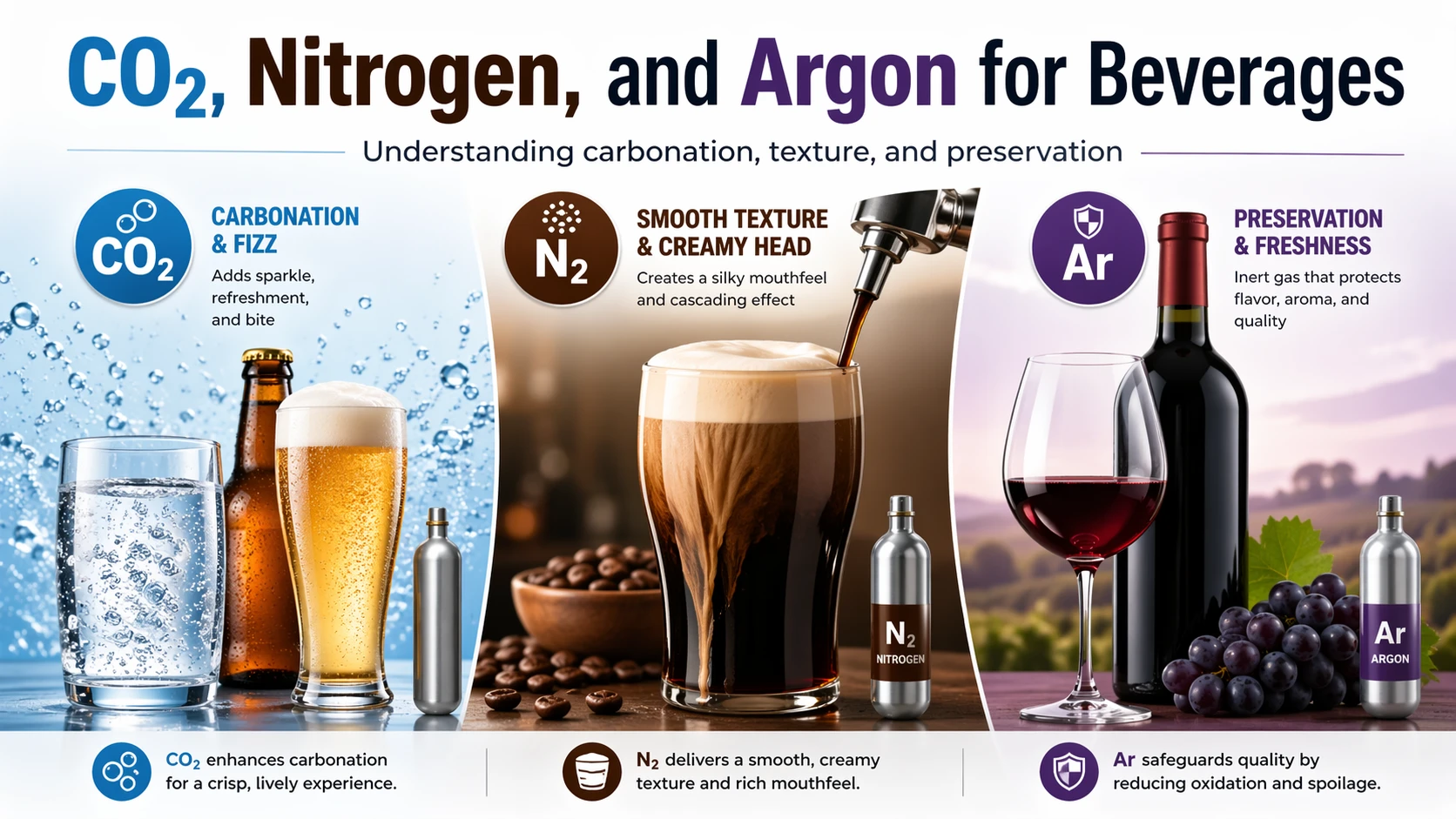
CO2, Nitrogen, and Argon for Beverages: What Each Gas Does Best
22nd Apr 2026
When it comes to beverages, the gas you use matters more than many people realize. CO2, nitrogen, and argon all play different roles in drink production, dispensing, and preservation. Choosing the right gas or cartridge can affect carbonation, mouthfeel, freshness, shelf life, and the overall drinking experience.
Whether you are working with sparkling water, beer, coffee, wine, cocktails, or specialty beverages, understanding the difference between these gases can help you get better results.
CO2: The go-to gas for carbonation
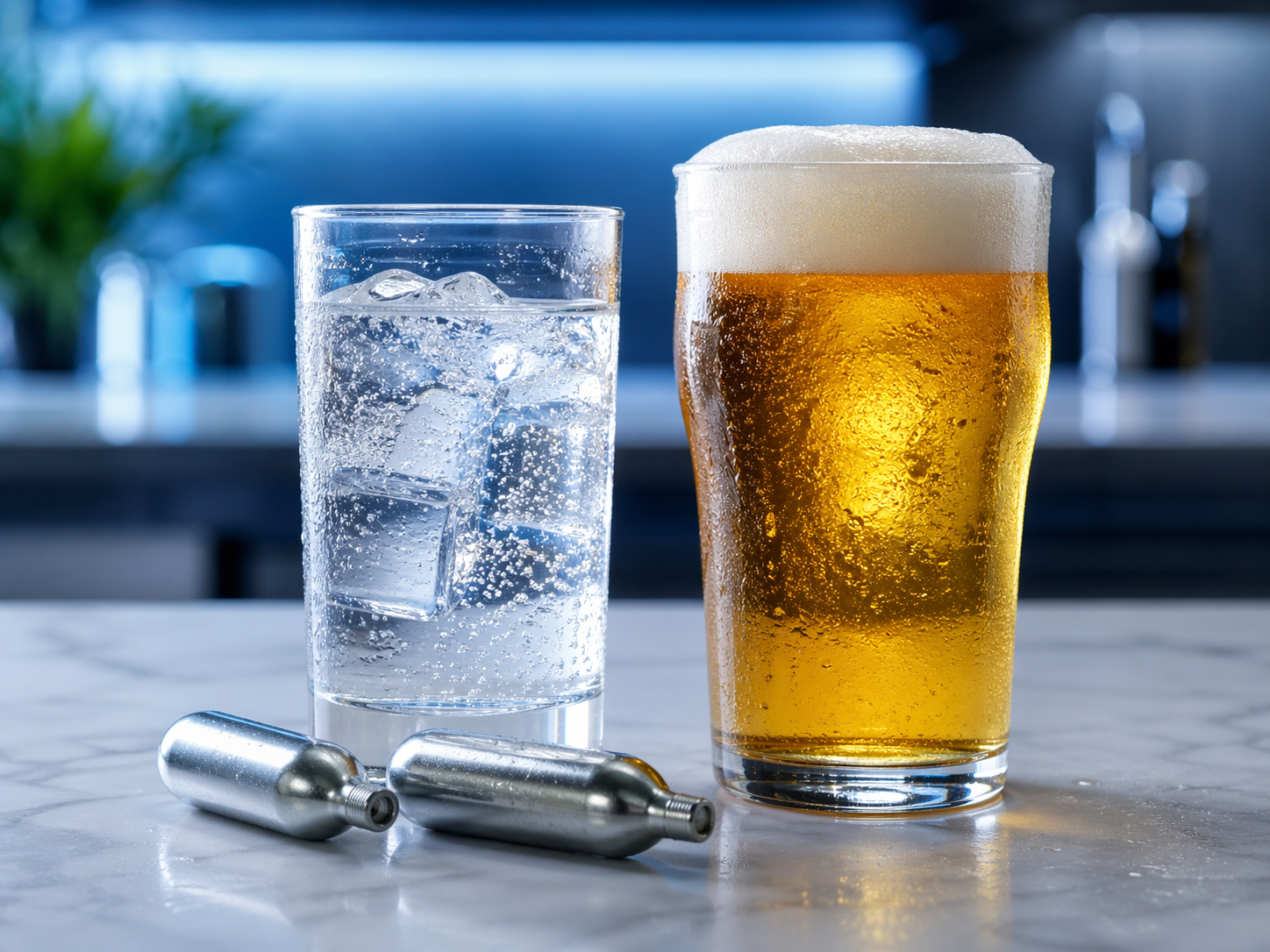
Carbon dioxide, or CO2, is the most common gas used in beverage applications. It is the gas responsible for carbonation, which creates the bubbles and crisp bite found in drinks like soda, sparkling water, beer, hard seltzer, and many ready-to-drink beverages.
One of the main reasons CO2 is so widely used is that it dissolves easily into liquid under pressure. Once the pressure is released, the gas escapes in the form of bubbles. That reaction is what gives carbonated beverages their lively texture and refreshing feel.
CO2 is best used when you want:
- Strong carbonation
- A crisp, sharp mouthfeel
- Traditional bubbles in sparkling beverages
- Pressure to dispense carbonated drinks from a keg or mini system
Common beverage uses for CO2 include:
- Sparkling water
- Soda
- Beer
- Hard seltzer
- Kombucha
- Pre-mixed cocktails that are meant to be fizzy
CO2 cartridges are often used in portable or small-format systems because they provide a convenient source of pressurized gas without needing a large tank. They are useful for mini kegs, growlers, sparkling water makers, and on-the-go dispensing systems.
Nitrogen: Smooth texture and a softer pour
Nitrogen, or N2, behaves very differently from CO2. It does not dissolve into liquid nearly as easily, which means it does not create the same kind of carbonation. Instead, nitrogen is often used to create a smoother, creamier texture and a softer presentation.
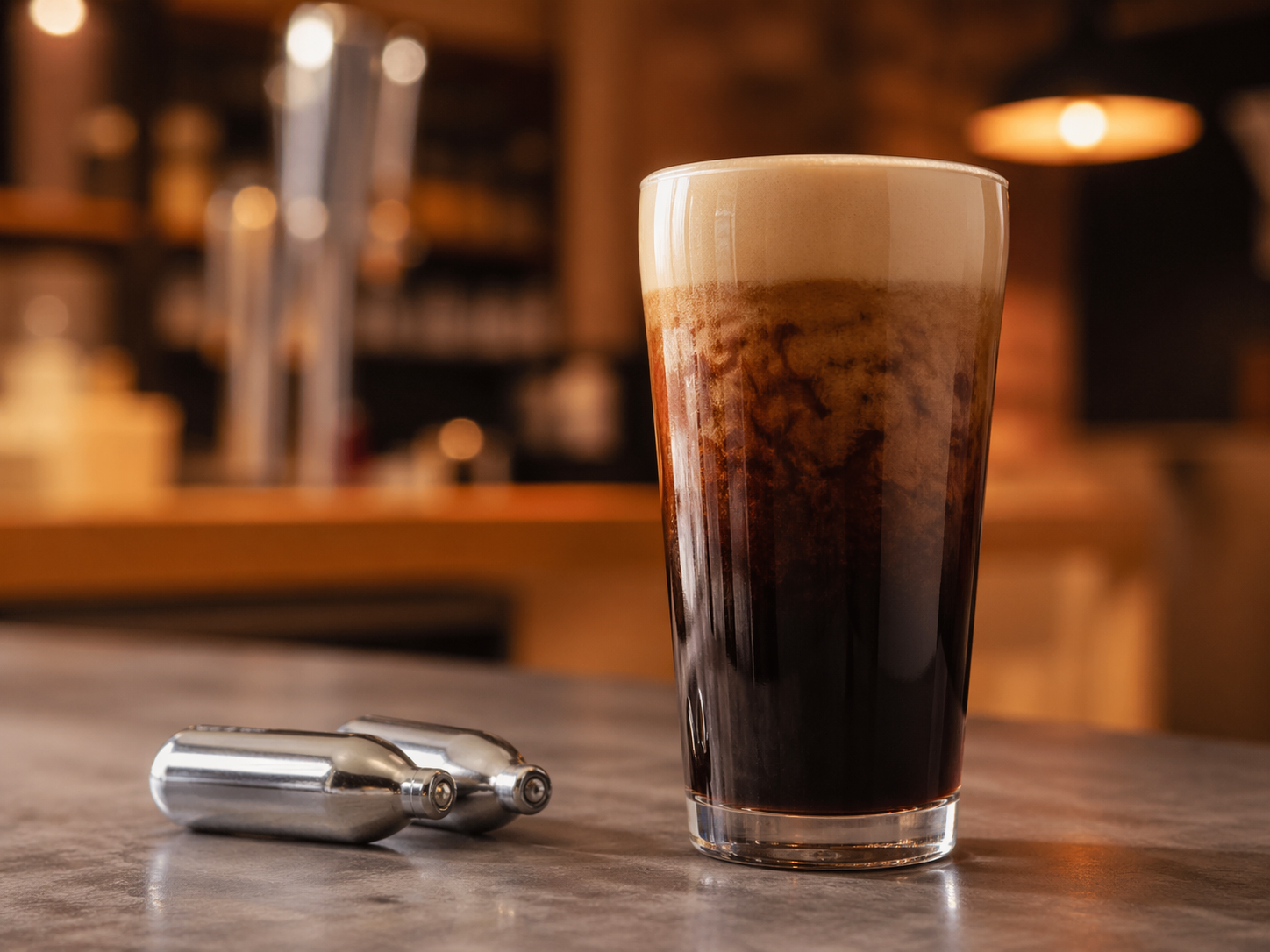
This is why nitrogen is popular in beverages like nitro coffee and certain draft beers. Rather than producing a sharp, fizzy feel, nitrogen creates very small bubbles that give the drink a dense, silky mouthfeel and a cascading visual effect when poured properly.
Nitrogen is best used when you want:
- A smooth, creamy texture
- Minimal acidity from carbonation
- A softer mouthfeel
- A more premium draft-style presentation
Common beverage uses for nitrogen include:
- Nitro cold brew coffee
- Nitro stout and other draft beers
- Some specialty teas
- Cocktails designed for a creamy or velvety pour
Nitrogen is a great choice when the goal is not heavy carbonation, but texture and presentation. It is especially useful for beverages where a creamy finish is more desirable than a bubbly one.
CO2 vs. Nitrogen: Which one should you use?
The choice between CO2 and nitrogen depends on what you want the beverage to do.
If you want bubbles and carbonation, use CO2. It is the right gas for sparkling beverages and drinks that need pressure plus fizz.
If you want smoothness and a creamy mouthfeel, use nitrogen. It is the better fit for beverages where texture matters more than carbonation.
A simple way to think about it is this:
- CO2 adds sparkle, bite, and fizz
- Nitrogen adds smoothness, softness, and visual appeal
In some beverage systems, a blend of gases may also be used depending on the product and equipment setup. For example, certain draft beverage applications may use mixed gas to balance pressure, texture, and serving performance.
When CO2 is the better choice
CO2 is usually the better option for beverages that are meant to be carbonated and refreshing. If the drink is supposed to have noticeable bubbles, a crisp finish, or that familiar sparkling sensation, CO2 is the correct gas.
Choose CO2 for:
- Carbonated water
- Sodas
- Sparkling cocktails
- Beer styles that depend on carbonation
- Portable beverage systems that need pressurized carbonation
CO2 is also often the right choice for businesses that want a versatile gas for general beverage carbonation across multiple product lines.
When nitrogen is the better choice
Nitrogen is the better option when you want a beverage to feel smooth and creamy rather than sharp and fizzy. It works especially well in cold coffee, certain beers, and specialty drinks where a luxurious texture is part of the experience.
Choose nitrogen for:
- Nitro cold brew
- Creamy draft coffee drinks
- Stouts and similar beers
- Specialty beverages where mouthfeel is a major selling point
Nitrogen can help create a unique serving experience that stands out from standard carbonated beverages.
Where argon fits in: preserving wine and protecting flavor
Argon is different from both CO2 and nitrogen because it is often used more for preservation than for carbonation or texture. Argon is an inert gas, which means it does not react much with the beverage. That makes it especially useful for wine.
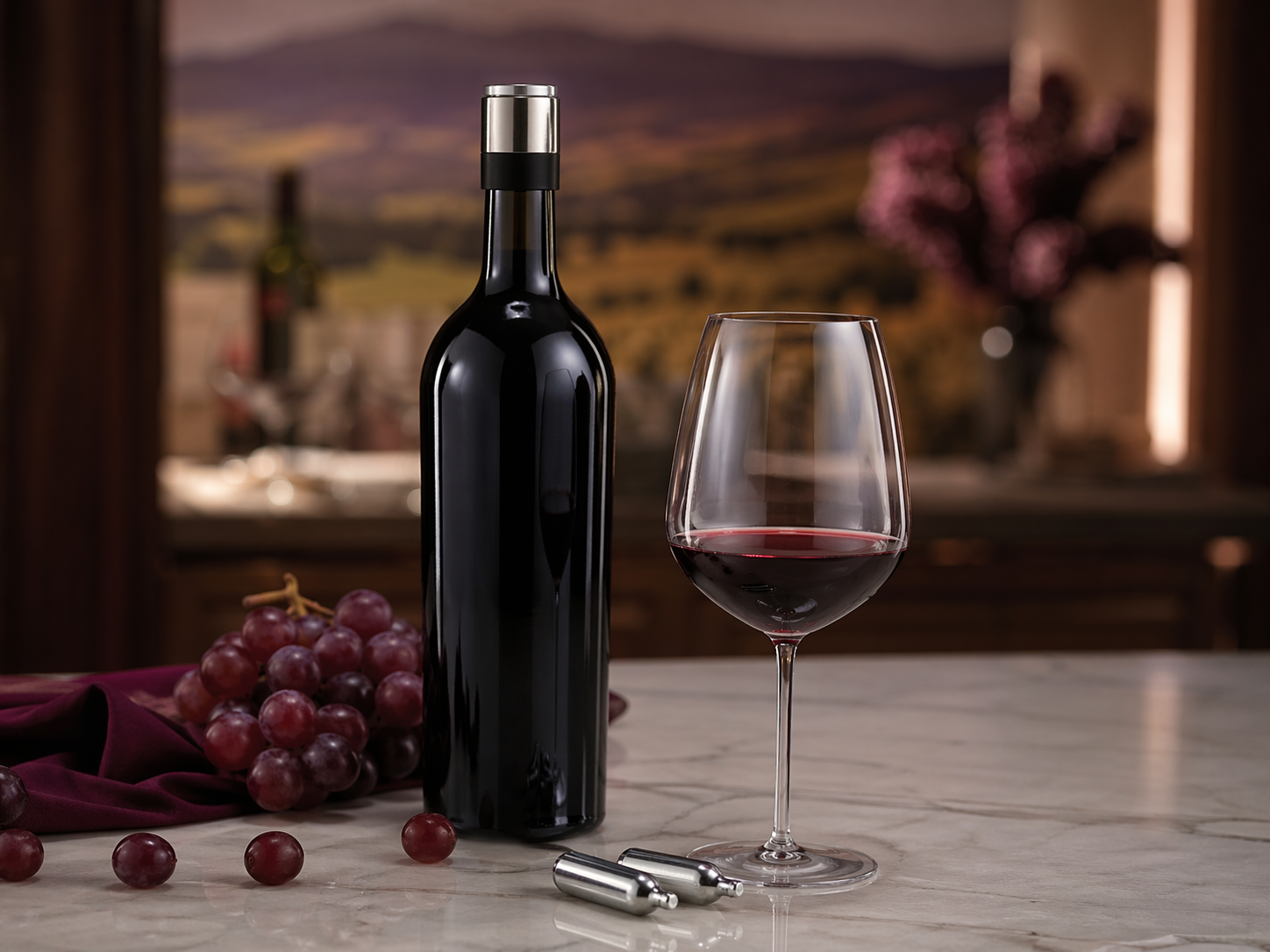
When wine is exposed to oxygen, it begins to oxidize. Over time, that oxidation can dull flavors, flatten aromas, and reduce overall quality. Argon can be used to displace oxygen in a wine bottle or storage container, helping protect the wine after opening.
Because argon is heavier than air, it can form a protective layer over the surface of the wine. This helps reduce contact with oxygen and can extend freshness.
Argon is commonly used for:
- Preserving opened bottles of wine
- Protecting premium wines from oxidation
- Use in wine preservation systems
- Some specialty beverage applications where oxygen exposure needs to be minimized
Argon may also be useful in select beverage packaging or storage situations where product protection is more important than carbonation.
Argon vs. Nitrogen for wine preservation
Both argon and nitrogen can be used for beverage preservation, but argon is often preferred for wine because of its density and inert nature. It can sit over the wine more effectively and help reduce oxygen contact.
Nitrogen can also be used in preservation systems, especially in larger beverage applications, but argon is often seen as a premium option for protecting wine quality after the bottle has been opened.
For wine-focused applications, argon is often the gas of choice when the goal is to preserve aroma, taste, and freshness without changing the character of the beverage.
Choosing the right cartridge for the application
Gas cartridges make it possible to bring professional beverage performance into compact, portable, or countertop systems. The right cartridge depends on the gas type, the equipment being used, and the beverage result you want.
When selecting a cartridge, consider:
- The type of beverage
- Whether you need carbonation or texture
- Equipment compatibility
- Gas purity and beverage-grade requirements
- Pressure and serving style
For sparkling drinks, CO2 cartridges are typically the best fit. For nitro-style beverages, nitrogen cartridges are the better option. For wine preservation, argon can provide added value by helping preserve freshness between pours.
Why the gas choice matters for beverage brands and users
For beverage brands, restaurants, coffee shops, wineries, and home users alike, the gas you choose affects both product performance and customer experience. A sparkling beverage that lacks proper carbonation will feel flat. A nitro coffee without the right gas will not deliver the creamy finish customers expect. A bottle of wine exposed to air too long can lose the qualities that made it worth opening in the first place.
Using the right gas helps ensure:
- Better taste and texture
- More consistent dispensing
- Improved beverage presentation
- Longer freshness in certain applications
- A better overall user experience
Final thoughts
CO2, nitrogen, and argon each serve an important purpose in the beverage world.
CO2 is the standard for carbonation and fizzy drinks.
Nitrogen is ideal for smooth, creamy beverages with a soft pour.
Argon is a valuable option for wine preservation and protecting beverages from oxidation.
Understanding these differences makes it easier to choose the right gas and cartridge for your application. Whether you are serving sparkling water, pouring nitro cold brew, dispensing draft beverages, or preserving an opened bottle of wine, the right gas can make a major difference in quality and performance.
Find any of our Beverage Gases Here